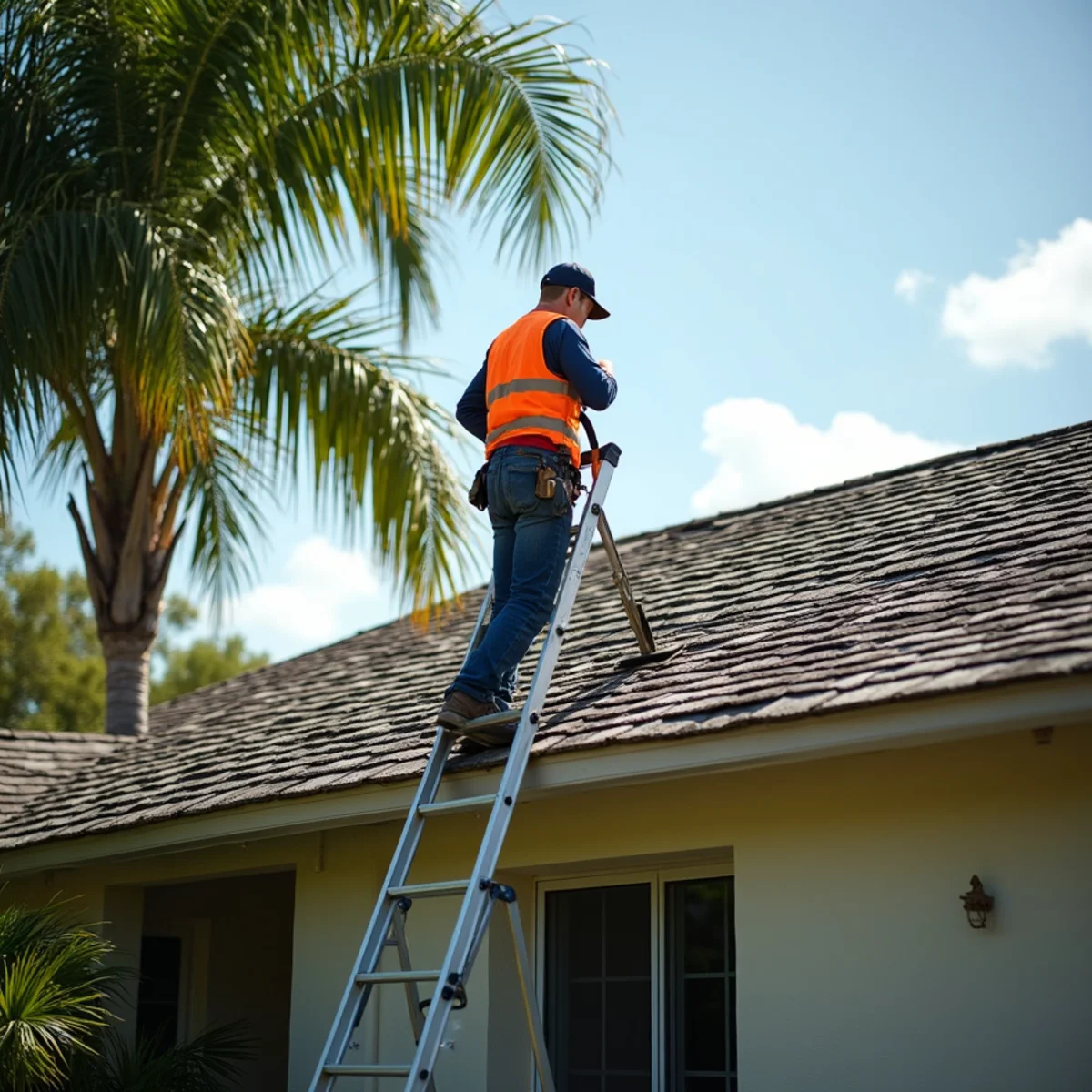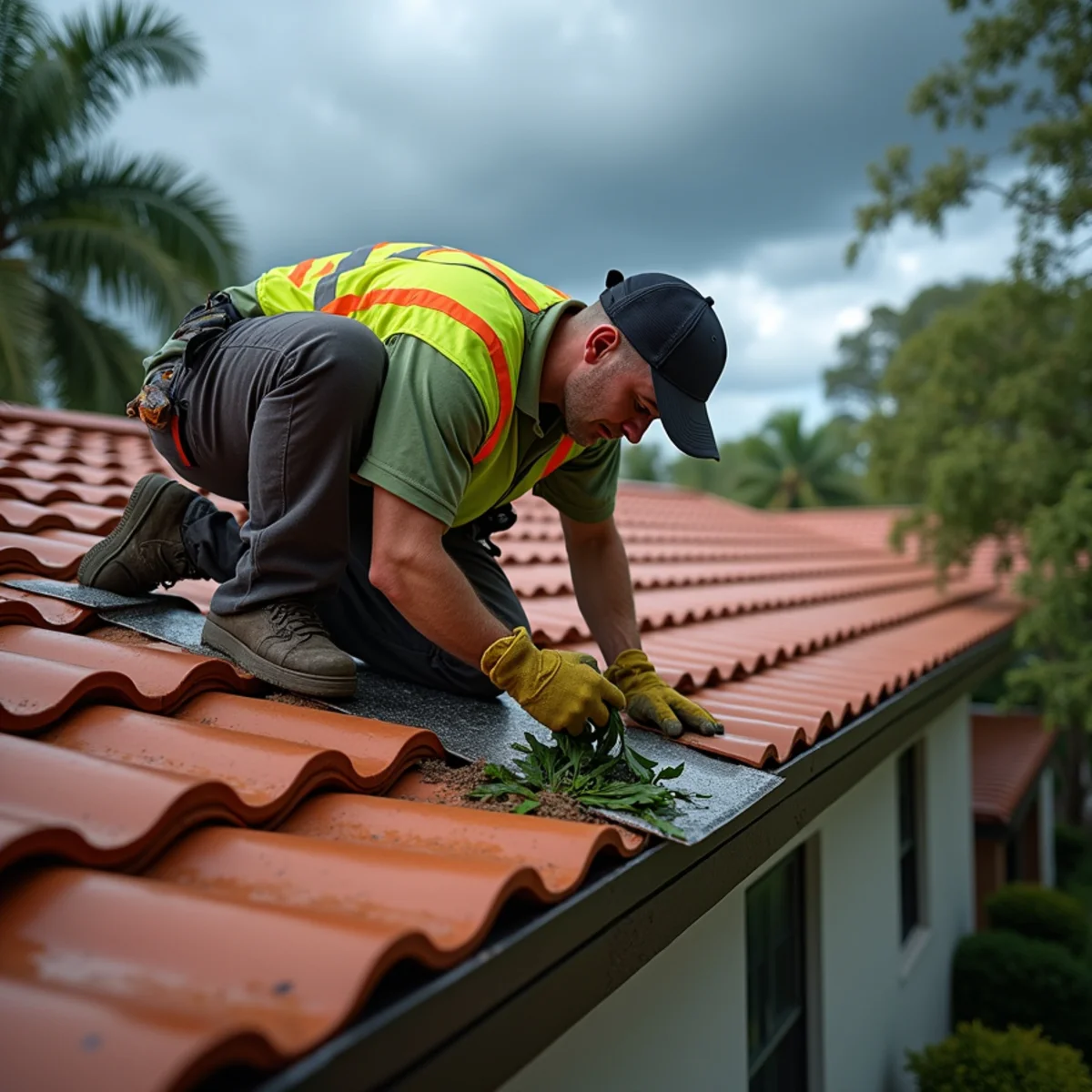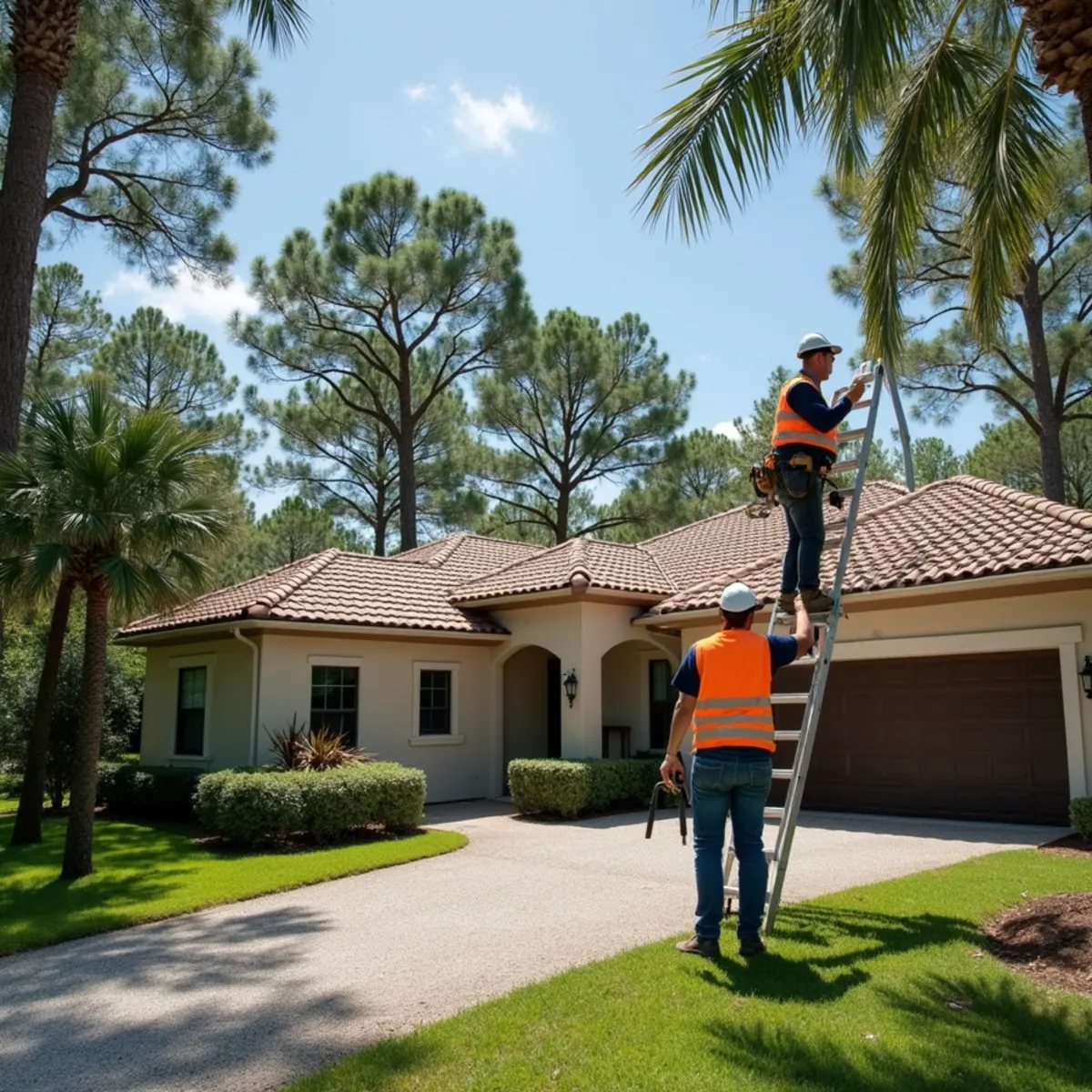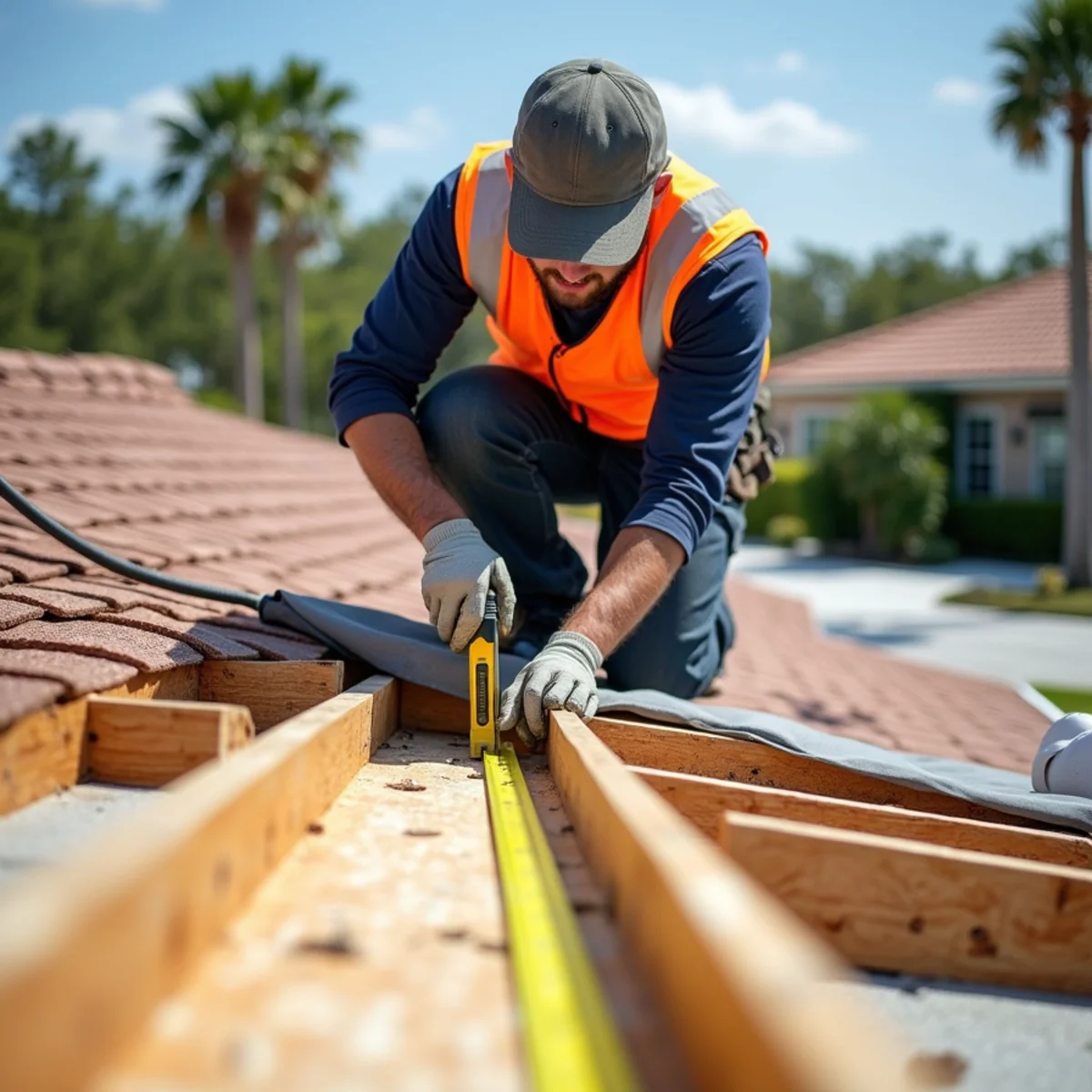
The roof upgrades most likely to improve a Florida wind mitigation report are the ones a re-roof exposes: a new permitted covering, deck re-nailing with ring-shank nails, and a sealed secondary water resistance layer. Roof-to-wall connectors can help where they are reachable. Roof shape cannot change. Photograph every upgrade before it is covered so the inspector can verify it.
Planning a re-roof in Florida? Some of the upgrades that make a roof stronger in a hurricane can also improve how your home scores on a wind mitigation inspection. That inspection, recorded on the state's OIR-B1-1802 form, is what many insurers use to apply wind-loss mitigation credits to your premium. Knowing which roof features the form records helps you choose upgrades that do double duty.
What the Wind Mitigation Form Records
The OIR-B1-1802 is completed by a qualified professional, such as a licensed home inspector, building code inspector, contractor, architect, or engineer. It documents features that affect wind resistance. The roof-related items include:
- Building code: Whether the home was built to the 2001 Florida Building Code or later, or the HVHZ equivalent.
- Roof covering: Whether the covering meets code, generally shown by permit date or product approval.
- Roof deck attachment: How the sheathing is fastened to the trusses or rafters, including nail size and spacing.
- Roof-to-wall attachment: How the roof framing connects to the walls, ranging from toe nails to clips, single wraps, or double wraps.
- Roof geometry: Whether the roof is hip, flat, or another shape.
- Secondary water resistance (SWR): Whether a sealed layer beneath the covering limits water intrusion if the covering is lost.
The form also records opening protection for windows and doors, which sits outside the roof but affects the overall result.
Insurers set their own credit structures, and the discount tied to each item varies by company and policy. Ask your agent how your insurer applies them before you set priorities.
Which Items a Re-Roof Can Change
Not every item is changeable. Roof geometry is built into the structure; a gable roof will not become a hip roof during a re-roof. Several other items, though, often change when the old roof comes off.
Roof Covering
A new, permitted roof installed with approved products updates this item. Keep the permit and product approval documents together; the inspector will look for them.
Roof Deck Attachment
With the old roof removed, the deck is exposed and can be re-nailed. Re-nailing with 8d ring-shank nails to current schedules can move this item into a stronger category than the original construction. For a lot of site-built houses, Florida's rules for work on existing buildings make deck re-nailing mandatory to current schedules during a re-roof anyway. The inspector assigns the category based on what they can verify, so ask your roofer to photograph the nailing before underlayment goes down.
Secondary Water Resistance
SWR is commonly added during a re-roof with a self-adhered underlayment over the full deck, or by sealing deck seams with self-adhered tape under the underlayment. It limits water entry if wind strips the covering. Because current code calls for SWR during many single-family re-roofs, it is often one of the more attainable items to gain.
There is also an attic-side route. Some closed-cell spray foam adhesives applied to the underside of the deck have been accepted as SWR when they meet the form's criteria. That option has trade-offs: foam hides the deck and its nailing from future inspection, can make later leak tracing harder, and not every inspector or insurer treats it the same way. When the roof is coming off anyway, the self-adhered approach from above is usually simpler to verify.
Roof-to-Wall Connections
This one is harder. Clips and straps tie the trusses to the wall top plates, and access during a re-roof is usually limited to the eaves and gable ends once the deck edge is opened. For some homes, the code requires roof-to-wall improvements during a re-roof, depending on the home's value and other factors. Where it is feasible, adding connectors can improve this item, but results depend on the framing and on what the inspector can verify. Discuss feasibility before the job starts.
Documentation matters as much as the upgrade. Photos of nail spacing, SWR installation, and any added connectors, taken before they are covered, give the wind mitigation inspector something concrete to verify.
Upgrades That Help Even Without a Line Item
Some improvements strengthen a roof against storms even though they do not appear as their own item on the form:
- Upgraded hip and ridge attachment, especially on tile roofs where old mortar-set caps can fail
- Heavier drip edge and valley metal, fastened securely
- Wind-rated shingles (Class F or H) with proper starter strips at eaves and rakes
- Tile set with an engineered adhesive or mechanical attachment rated for your roof's wind zones
These are part of the hurricane roof upgrades we recommend during re-roofs.
Using a My Safe Florida Home Grant Alongside a Re-Roof
My Safe Florida Home is the state program that offers homeowners a wind mitigation inspection and, when funding is available, matching grants toward hardening work the inspection recommends. Clips or straps at the roof-to-wall joint and a sealed SWR layer have both appeared on its list of roof-related improvements, alongside openings such as windows and garage doors.
A few points tend to trip people up:
- The program has generally required the home to be your homesteaded primary residence and has set eligibility rules that change between funding rounds.
- Grant work typically has to be recommended in the program's inspection and approved before it starts. Work finished first may not qualify.
- Funding opens and closes. Applications can pause for months when a round is used up.
Check the current rules on the program's official site before you schedule a re-roof around a grant, and ask your roofer whether the scope can match what the program inspector recommended.
Why This Matters Across Palm Beach County
Throughout Palm Beach County, design wind speeds are high even though the county sits outside the HVHZ. Western areas with open lots feel it most directly. In The Acreage, homes on large, open parcels take wind from every direction, and many predate the 2001 code. For those homes, a re-roof may be the best chance to add wind-related improvements that the original construction lacked.
Sequencing the Work
Schedule the wind mitigation inspection after the re-roof is complete and the permit is closed. If you have an older report, the new one should reflect the updated roof. Ask your roofer for a closeout packet with the permit number, product approval numbers, and dated photos from each stage; handing it to the inspector saves time and reduces the chance an item is marked as unverifiable. Keep the report on file; insurers commonly accept them for several years, but your insurer will confirm how long.
If you are still deciding whether to re-roof, start with a roof inspection to understand the current deck, underlayment, and attachment. If a new shingle roof is already in your plans, a shingle roof replacement is the moment to build these upgrades in.
In the Field: Where Wind Mitigation Credits Get Lost
Most lost credits come from verification, not from weak construction. The inspector can only mark what they can see or prove, and a few details decide the outcome.
- Nail spacing seen from the attic. Inspectors often confirm deck attachment by checking nail tips along the trusses from below. Missed nails that shot past the truss, called shiners, and uneven spacing can pull a roof down a category even when most of the nailing is right.
- Staples on older decks. Some older homes have sheathing fastened with staples. Re-nailing over them during the re-roof, and photographing it, is what changes the answer.
- Plank decks. Homes with 1x6 tongue-and-groove boards are limited by the boards themselves. Reaching a stronger deck category usually means new sheathing, which costs more and is worth pricing separately.
- A small gable on a hip roof. The hip classification allows only a limited share of other roof shapes. A gable over a garage or entry porch can change the answer, so ask before assuming the hip credit.
- Undated or unlabeled photos. A photo of nails with no tape measure, no date and no location on the roof proves little. We shoot each stage with a visible measure and label the slope.
The honest trade-off: re-nailing, SWR and connectors add labor and materials to a re-roof, and the credit they earn depends on your insurer’s rating plan. Ask your agent to run the numbers before you choose between upgrades.
Build Strength Into Your Next Roof
A re-roof is the one time the deck, underlayment, and roof edge are all exposed at once. Rising Roof Services plans re-roofs with wind resistance in mind and documents the upgrades your wind mitigation inspector will want to see. Call (831) 666-1600 to talk about your roof and the upgrades that fit your home.
Frequently asked questions
Can a roofer complete my wind mitigation form?
The OIR-B1-1802 must be signed by a qualified professional listed on the form, which can include certain licensed contractors, home inspectors, building code inspectors, architects, and engineers. Many homeowners use an independent inspector after the re-roof is finished. Either way, the roofer's photos of deck nailing, SWR, and any added connectors help the inspector verify what was installed.
Is it worth adding SWR if I am only repairing part of my roof?
SWR is most practical when the deck is exposed across the whole roof, which happens during a full re-roof. On a partial repair it can be installed on the repaired area, but the wind mitigation form looks at the roof as a whole. If a full replacement is a few years away, it may make more sense to plan SWR for that project.
Do I need a new wind mitigation inspection after a re-roof?
Usually yes, if you want the new roof reflected in your premium. An older report still describes the previous covering, deck nailing and underlayment. Once the permit is closed, book a fresh inspection and hand the inspector your roofer's photos and approval numbers. Then send the new form to your agent, because credits are generally not applied until the insurer has it on file.
Does a tile or metal roof earn a bigger credit than shingles?
Not by material alone. The roof covering question mainly asks whether the covering meets the Florida Building Code, shown by permit date or product approval, rather than rewarding one material over another. Deck attachment, secondary water resistance, roof-to-wall connections and roof shape tend to move the result more. Material choice still matters for wind performance, weight and cost, so weigh it on those grounds.