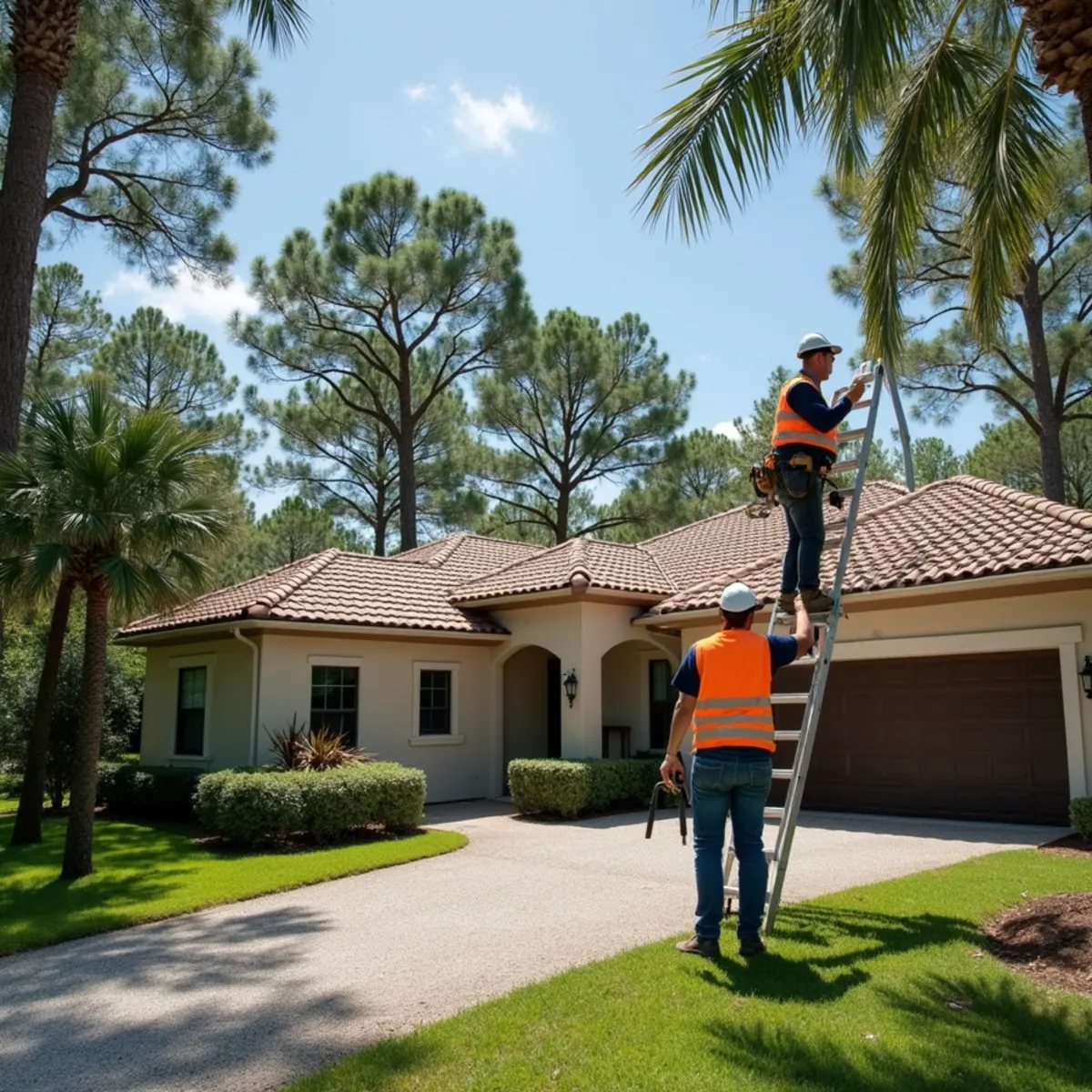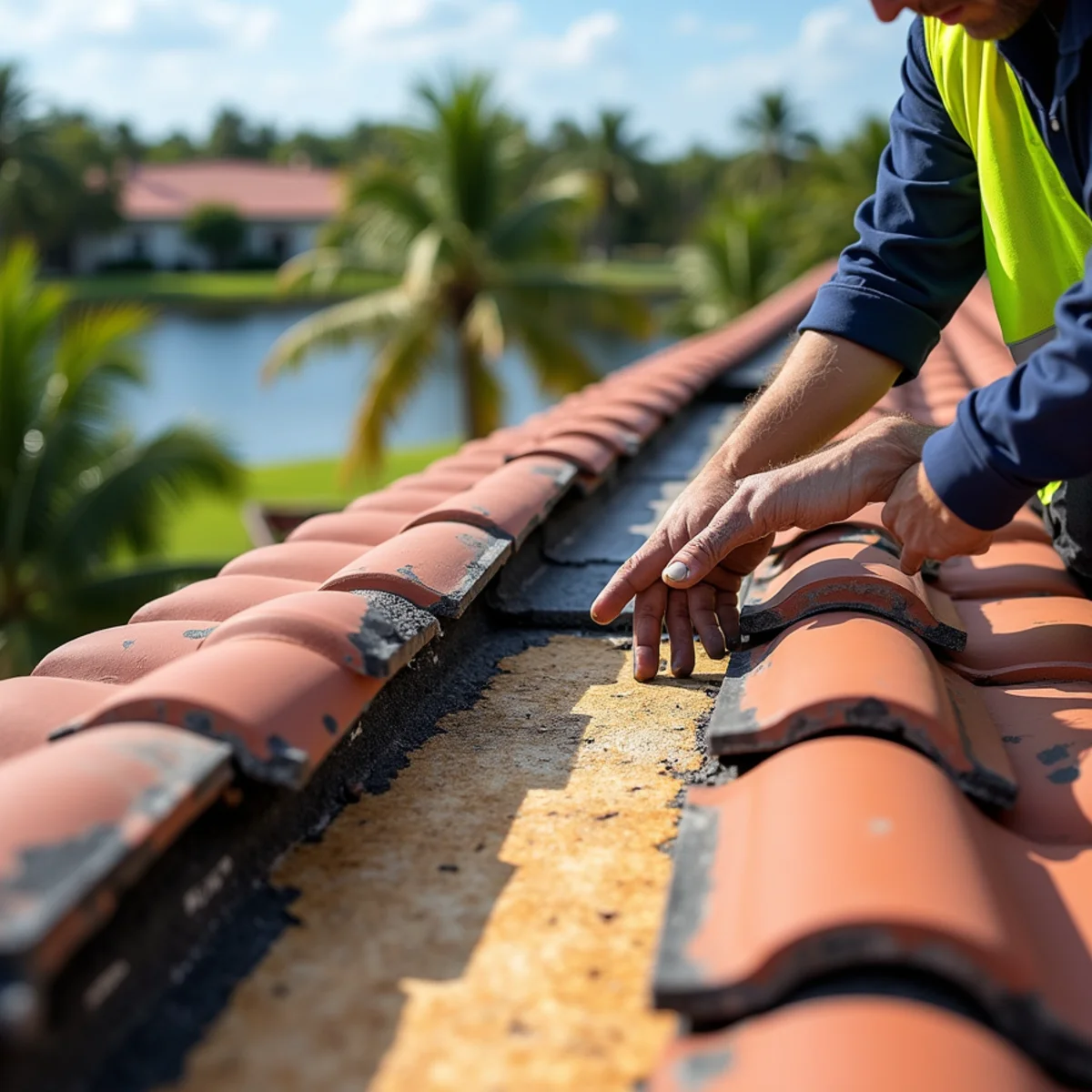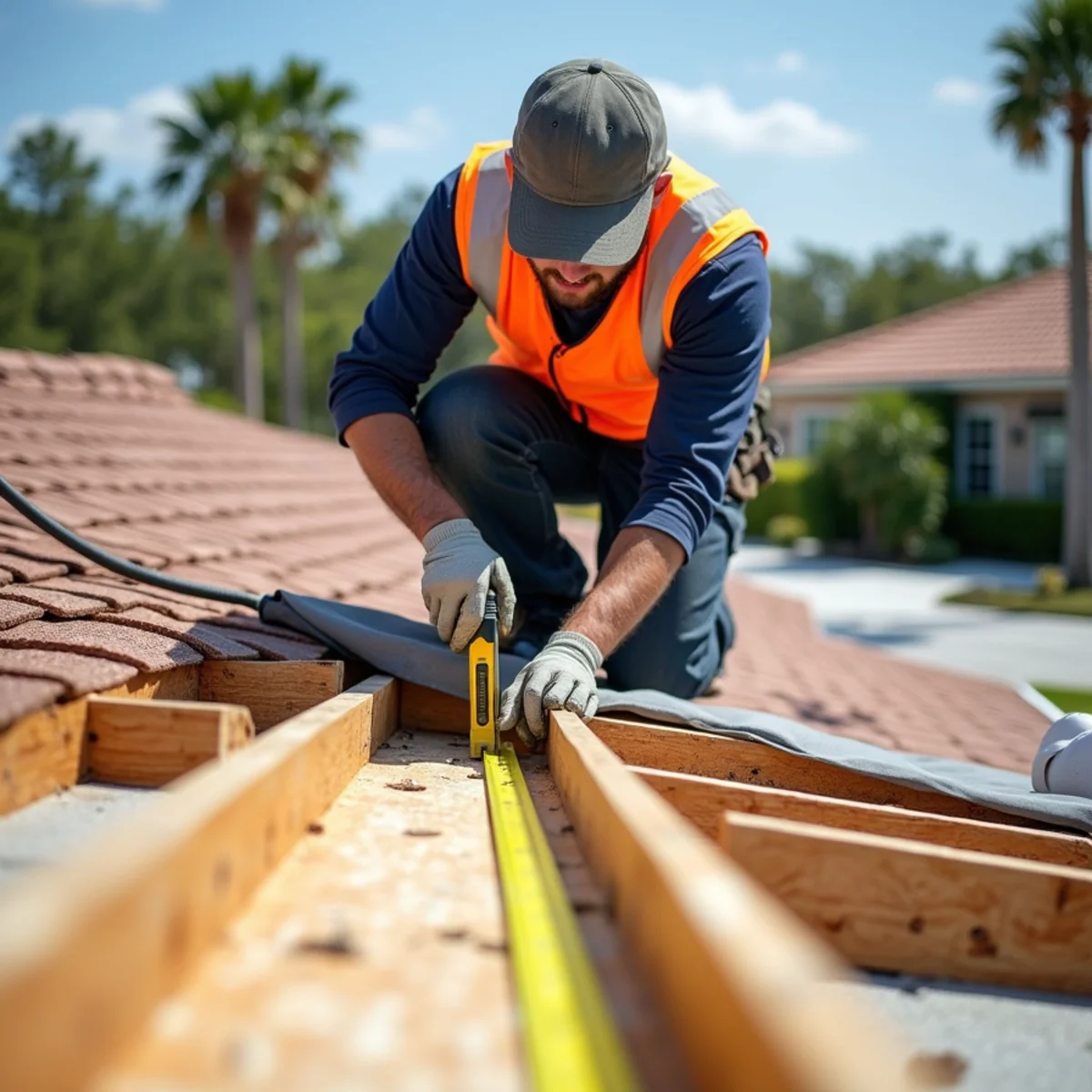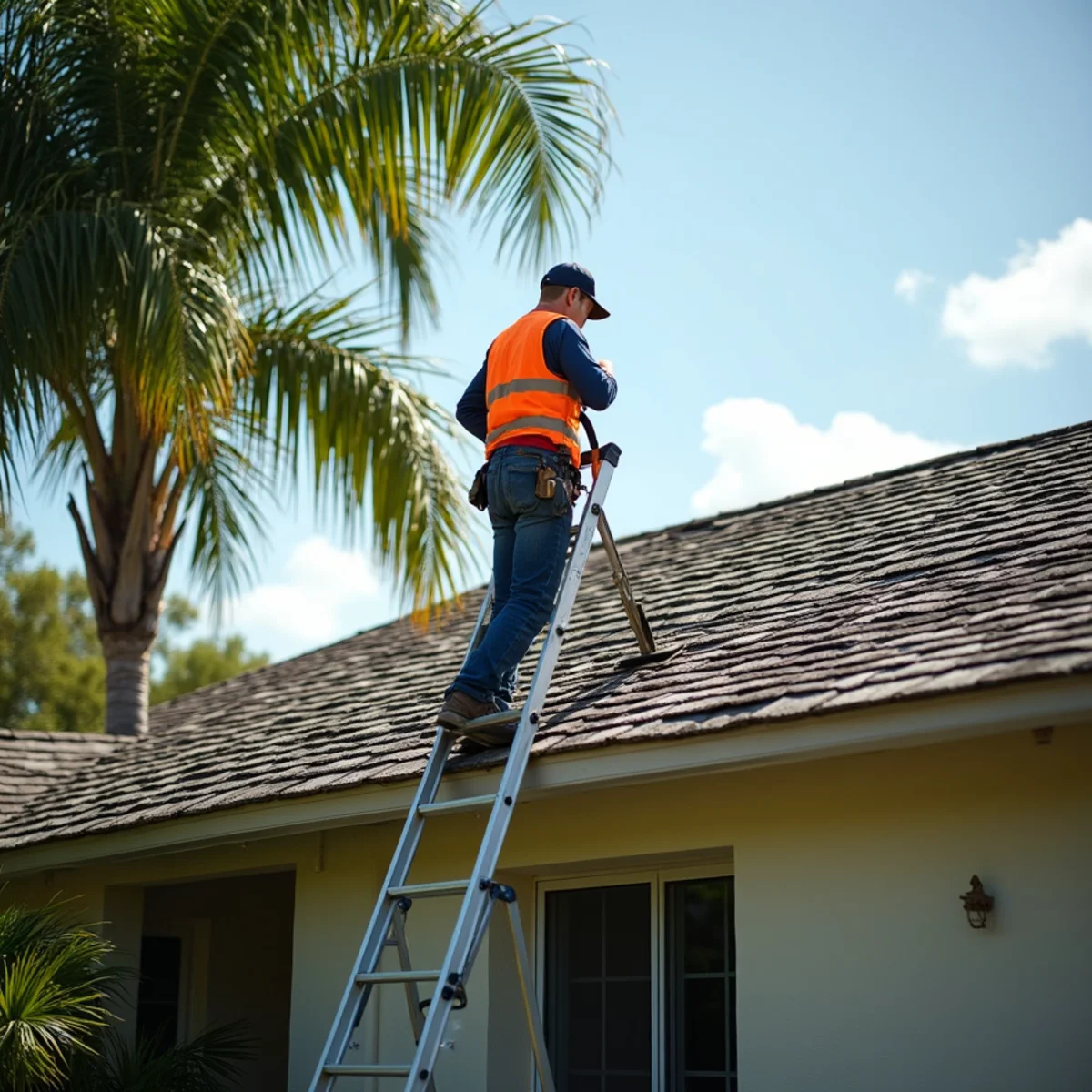
Repair a shingle roof in Florida when the damage is isolated, the shingles are still flexible and sealed, and the deck is solid. Replace it when leaks move around, shingles are brittle or bare on several slopes, the deck is soft, or your insurer will not accept the roof's remaining life.
At around 20 years, most asphalt shingle roofs in South Florida are close to the point where repairs stop being a good use of money. That does not mean every 20-year-old roof needs replacing today. It means the decision should be made deliberately, based on the roof's condition, how the building code treats it, what your insurer will accept, and what you plan to do with the house.
Why 20 years is the decision point here
Shingle packaging may describe a long service life, but South Florida is hard on asphalt. Intense UV, high roof temperatures, daily summer rain, and hurricane-season wind all age shingles faster than milder climates do. By 20 years, the asphalt has usually dried out, the sealant strips have lost much of their grip, and the granules that protect the mat have thinned.
There is a code angle too. A roof installed around 2006 was likely permitted before the 2007 Florida Building Code took effect. That can matter under the 25% rule, discussed below.
Five questions to score your roof
Answer these honestly, ideally with a roofer's inspection photos in front of you.
1. How many leaks have you had in the last few years?
One leak at a pipe boot is a repair. Leaks in different areas, or the same area repeatedly, point to a roof that is failing broadly.
2. What do the shingles look like up close?
Curling or cupping edges, cracked tabs, bald patches where granules are gone, and shingles that crack when lifted are signs of age across the whole surface, not a local problem.
3. Is the deck still solid?
Soft spots underfoot or stained decking in the attic mean water has been getting in for a while. Replacing sections of plywood during a repair is possible, but widespread deck damage usually leads to a re-roof.
4. What does your insurer think?
Once a roof passes 15 years, Florida insurers can require an inspection. If it cannot show at least five years of remaining useful life, keeping coverage may be harder. Rules change, so confirm with your agent.
5. How long will you own the home?
If you plan to sell soon, buyers and their inspectors will look hard at a 20-year-old roof. If you plan to stay, the re-roof is coming regardless, and timing it on your schedule is better than timing it after a storm.
When repair still makes sense
- The shingles are flexible and still sealed across most of the roof.
- The problem is isolated: a boot, a flashing detail, a few wind-damaged shingles.
- The deck is solid.
- Your insurer is satisfied with the roof's condition.
In that situation, a targeted roof repair can reasonably buy a few more years. Ask for photos of the repair area and the surrounding shingles so you know what you are extending.
When re-roofing is the better call
- Leaks keep appearing in new places.
- Shingles are brittle, curled, or bare across multiple slopes.
- The deck is soft in more than one area.
- Your insurer is asking for replacement or a roof inspection you are unlikely to pass.
- A storm has damaged a large portion of an older roof.
At that point, shingle roof replacement usually costs less over time than repeated repairs. Commonly reported South Florida figures for asphalt shingle replacement run roughly $4 to $7 per square foot installed, with tear-off sometimes adding $1 to $2 per square foot. Those are planning figures only; your roof size, pitch, deck condition, and permit requirements set the real number.
Add up the repair bills before you decide
The costliest path on an aging shingle roof is often the middle one: paying for repair after repair on a roof that is going to be replaced anyway. A short worksheet makes that visible.
- Pull every roofing invoice from the last three to five years, including leak calls, boot replacements, and storm patches.
- Note where each repair was. Repairs scattered across different slopes say more about the roof than the dollar total does.
- Ask your roofer what the next likely repairs are and roughly when, based on what the inspection found.
- Add interior costs that came with the leaks, such as drywall, paint, and insulation.
- Set that running total beside a written replacement estimate for the same roof.
If the repair column is growing every year and the problems keep moving, the numbers usually point to re-roofing. If it is one repair in five years, the roof is likely still earning its keep.
Shingle again, or a different material?
A re-roof is the one moment you can change what is on top of the house, so it is worth a short conversation about options.
- Wind-rated asphalt shingles keep the upfront cost lowest and suit most ranch homes, villas, and townhomes. Look for Class F or Class H wind ratings and a Florida product approval.
- Metal, whether standing seam or stamped metal tile, costs more up front and is chosen for a longer service life and strong wind performance. HOA approval and product approval both apply.
- Concrete tile is far heavier than shingles. Switching from shingles to tile generally requires confirming that the roof framing can carry the added weight, which may mean an engineer's review before the permit is issued.
How long you plan to stay in the home usually settles it. A shorter horizon favors shingles. A longer one makes the higher upfront cost of metal or tile easier to justify.
On a roof permitted before the 2007 Florida Building Code, a storm repair that involves more than 25% of the roof or a roof section can still trigger a requirement to bring that roof up to current code. Check the permit history before planning a large repair.
What a re-roof adds that a repair cannot
A full replacement on a site-built single-family home in Florida generally comes with required mitigation work. Depending on the home, that can include secondary water resistance over the deck, re-nailing the deck to current fastening schedules with ring-shank nails, and in some cases roof-to-wall connection improvements. Many of those same items appear on the wind mitigation inspection form.
That is why homeowners often pair a re-roof with hurricane roof upgrades such as a sealed deck, upgraded hip and ridge attachment, and wind-rated shingles. The goal is a roof that holds up better in a storm and may help on a wind mitigation report.
Greenacres: a common place for this decision
In Greenacres, many modest 1960s to 1980s block homes carry shingle roofs, and a lot of them were last re-roofed about two decades ago. Those owners are facing exactly this question now, often with an insurance renewal letter on the kitchen counter. A careful look at the shingles, the deck, and the permit history usually makes the answer clear.
Timing the work
If you decide to re-roof, the drier months from roughly November through April are the easiest time to schedule. There is less rain delay, and the work is done before the next hurricane season starts on June 1.
Build the permit process into the schedule as well. Re-roofs require a permit from your city or county building department, and inspections often happen mid-project, such as a deck nailing check before the new underlayment is covered. Material delivery and permit review both take time, so starting the conversation early helps.
On the job: what 20-year shingles tell us
The clearest test of whether a shingle roof can still be repaired happens during the repair itself. To replace a damaged shingle, the courses above it have to be lifted gently so the new piece can be nailed and sealed underneath. On a roof that still has life, those shingles flex and settle back down. On a 20-year roof in this sun, they often crack as soon as they are lifted, and a three-shingle repair turns into a patch of a dozen. When we see that happening, we stop and tell you, because it is the roof answering the repair-or-replace question for you.
Matching is the next limit. Shingle lines and colors are discontinued regularly, and even the same color from a current run will look different beside shingles that have faded for two decades. A visible patch rarely matters for function, but it is worth knowing if you plan to sell and a buyer's inspector will be looking at the roof.
Older homes add a deck question. Many 1960s through 1980s houses in this area were built with 1x6 tongue-and-groove or plank decking rather than plywood. During a re-roof, the condition of those boards, the gaps between them, and what the current code and product approvals allow over them all have to be checked, and some homes need new sheathing installed over the planks. That is decided once the old roof is off, which is why a good estimate explains how deck work will be handled and priced.
Ventilation is the last piece. Many older roofs have little soffit intake and a few box vents, which keeps the attic hot and shortens shingle life. A repair cannot change that. A re-roof can, and balancing intake and exhaust is one of the quieter ways a new roof lasts longer than the one it replaces.
Get an honest read on your roof
The right answer for a 20-year-old shingle roof depends on what is actually up there. Rising Roof Services will inspect the shingles, check the deck, look at your permit history, and tell you plainly whether a repair is still worth doing or whether it is time to re-roof. Call (831) 666-1600 or request an inspection.
Frequently asked questions
How long do asphalt shingles really last in South Florida?
Often less than the packaging suggests. Heat, UV exposure, heavy rain, and wind speed up aging, so many shingle roofs in the region show significant wear somewhere in the high teens to low twenties in years. Ventilation, installation quality, shingle type, and maintenance all affect the result, which is why an inspection beats relying on age alone.
Can I put new shingles over my old roof in Florida?
Recovering over an existing roof is restricted in Florida and is often not allowed or not practical, especially where code requires deck inspection, re-nailing, or secondary water resistance during a re-roof. Most shingle re-roofs here involve a full tear-off to the deck. Your roofer and the local building department can confirm what is permitted for your home.
Will a new shingle roof lower my insurance premium?
It may. A new roof can improve eligibility, and the mitigation work done during a re-roof, such as deck attachment and secondary water resistance, can qualify for wind mitigation credits once a licensed inspector documents it on form OIR-B1-1802. The size of any change depends on your insurer, so ask your agent before and after.
Should I repair or replace an old shingle roof before selling my house?
Start with a pre-listing inspection so you know what a buyer's inspector will find. If the roof has isolated problems, fixing them and handing over the report often keeps negotiations simple. If the shingles are worn out across the whole roof, buyers and their insurers will likely notice, and you can either replace it or price the sale with that in mind.
Once scheduled, how many days is a shingle re-roof?
For a typical single-family home, the tear-off and installation are often completed in a few working days, depending on roof size, pitch, deck repairs, and weather. The longer part is usually before the crew arrives: permit review, material delivery, and HOA approval where required. Mid-project inspections, such as the deck nailing check, also have to fit into the schedule.