Roofing in Wellington, FL and Royal Palm Beach has to account for open ground. Homes facing pastures, polo fields, lakes or canals catch wind with little in the way, so corners, rakes, hip and ridge take the most strain. Build for that exposure with stronger attachment at the edges, and check those spots after every major storm.
Roofs in western Palm Beach County work under different conditions than roofs in east Boca or Delray. In Wellington and Royal Palm Beach, many homes sit on larger lots beside open pastures, polo grounds, canals, lakes, and golf fairways. Wind crosses that open ground with little to slow it down and reaches the roof with more force than it would in a dense neighborhood of two-story homes and mature trees.
That exposure shapes how roofs wear, where they fail, and what you should ask for when you repair or replace one.
Why Open Ground Changes the Wind Load
Engineers classify a site's surroundings when calculating wind pressure on a building. A lot surrounded by houses and trees is treated differently from one facing open fields or water, and the open site is assigned higher design pressures. You can see the principle in any storm: homes on the edge of a pasture or across a lake tend to show more damage than homes tucked into the middle of a subdivision.
Many parts of Wellington back onto equestrian properties and large open parcels. In Royal Palm Beach, lakes and canals run through many neighborhoods, giving wind a long, clear run toward the homes along their banks.
Out west, as across the rest of Palm Beach County, the HVHZ rules don't apply; the area is still a wind-borne debris region with high design wind speeds under the Florida Building Code. The exact values for your address come from the code's wind maps and the engineering for your roof system.
Wind Speed and Exposure Category Are Two Different Things
Contractor sites sometimes blur these. The design wind speed comes from a map and depends on where the county sits relative to hurricane tracks. Exposure category describes the ground around your particular house, and it is a separate input to the uplift calculation.
- Exposure B covers suburban and wooded terrain with many closely spaced houses or trees. The code only lets a designer use it when that rough ground extends a set distance upwind, roughly 1,500 feet for a typical one- or two-story home.
- Exposure C is open terrain with scattered, low obstructions: grassland, farm fields, pastures. It is also the default whenever B or D does not apply.
- Exposure D is reserved for flat, unobstructed ground facing large open water, the kind of setting found on oceanfront lots, and rarely comes into play for the typical western-county home.
Exposure is evaluated for each wind direction, so a Wellington home can be sheltered by a subdivision on one side and fully open to a paddock on the other. Ground also changes over time: a field that gets built out can make a site less exposed, while a cleared lot next door can do the opposite. Your roof's attachment design should reflect the worst case, and the engineer or product approval sets the final numbers.
Where the Roof Takes the Hit
Wind does not pull evenly across a roof. Pressure concentrates in specific areas, and those are the spots to watch.
- Corners and perimeter edges: Uplift is highest here. On tile roofs, the first tiles to loosen are often at roof corners and along the rakes.
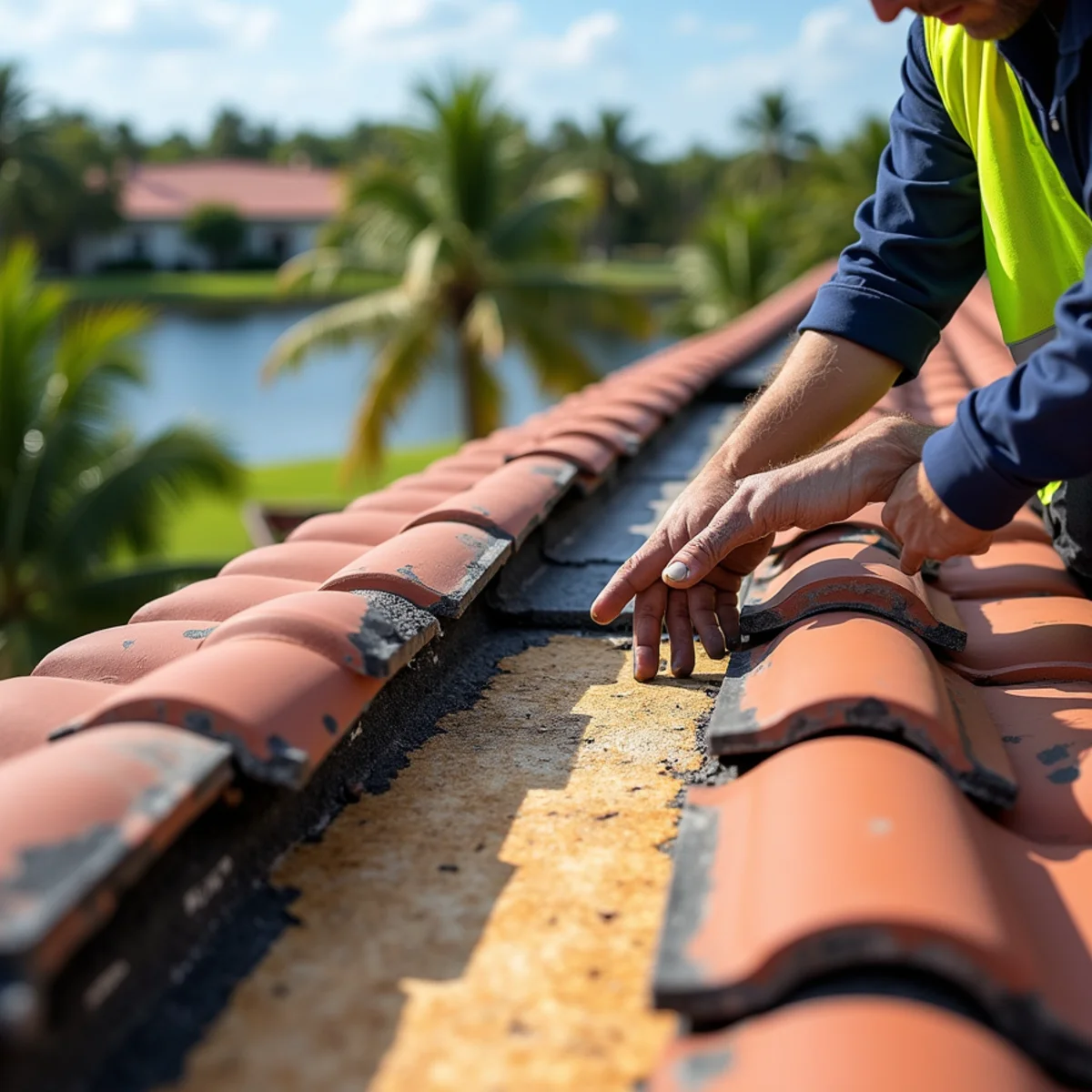
- Hip and ridge: These run along the top and edges, fully exposed. Mortar-set hip and ridge tiles that have cracked with age can peel off in sequence once one lets go.
- Eaves: Wind can drive under the first course of tile if the eave closure or bird stop has failed.
- Edge metal: Loose drip edge or rake metal gives wind a lip to pull on.
Tile Roofs
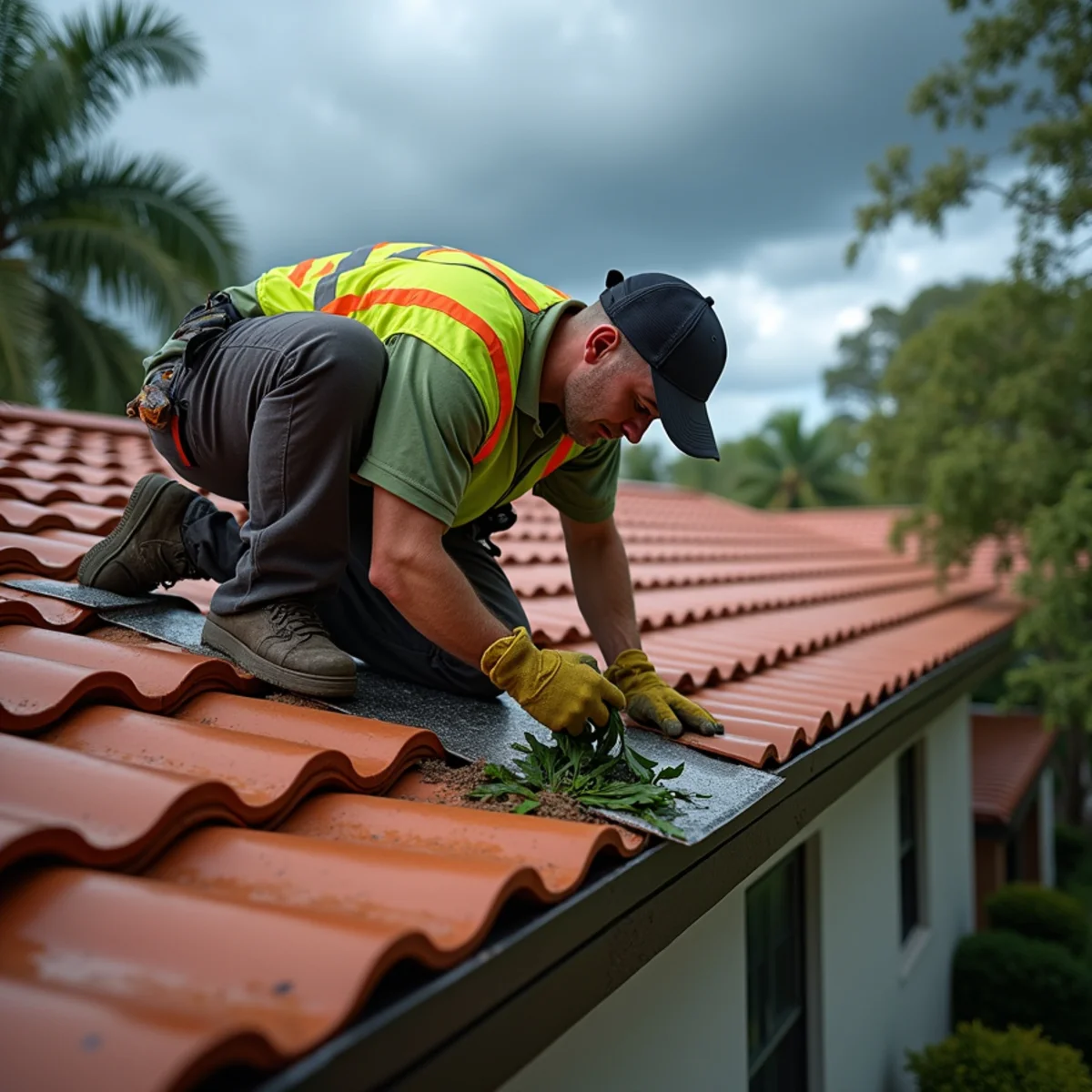
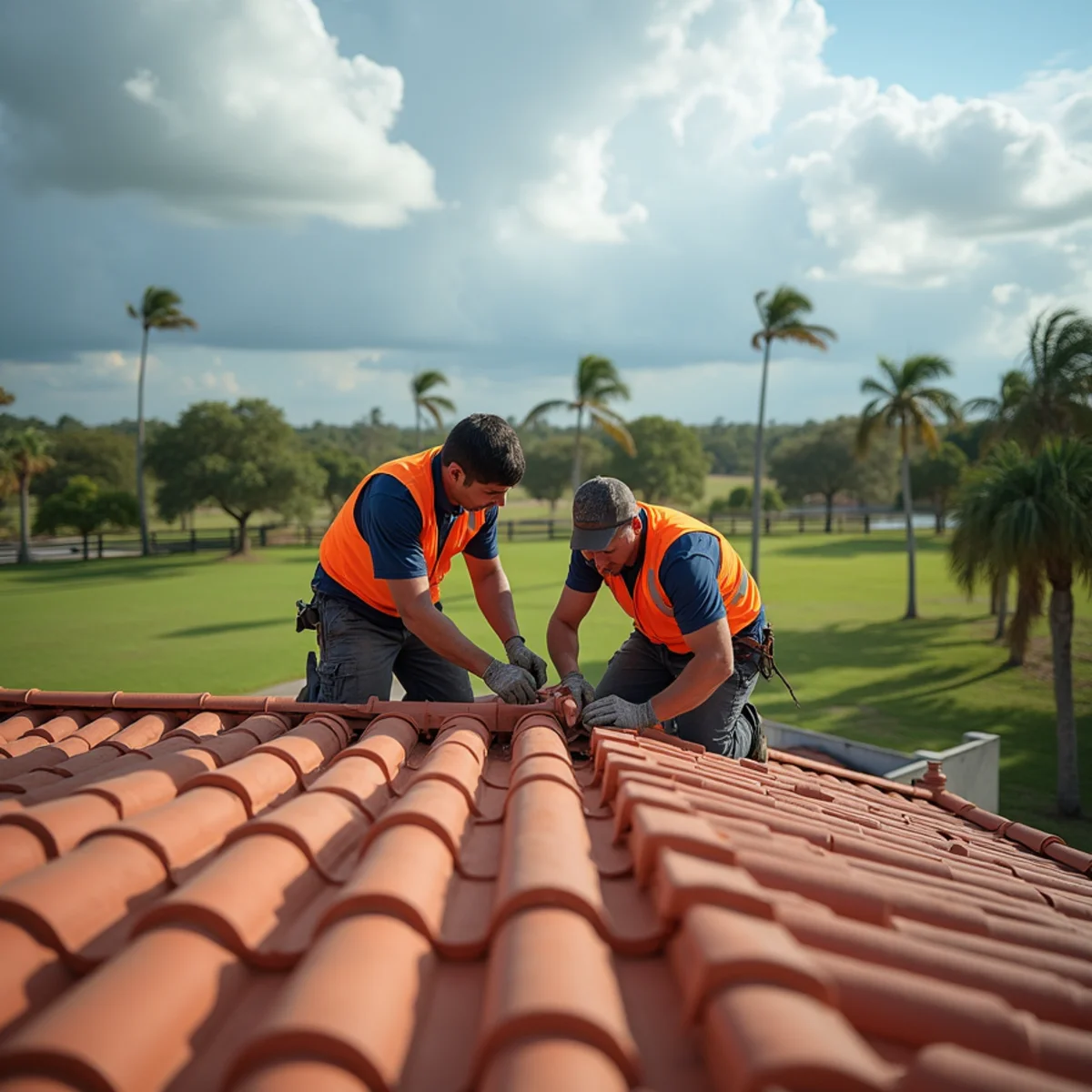
Concrete and clay tile handle steady wind well when properly attached, but attachment varies by era. Older roofs relied on mortar-set tile, and that bond can crack and loosen over time. Newer installations commonly use foam adhesive or mechanical fasteners with engineered uplift ratings. After a strong wind event, a walk-around looking for displaced or cracked tiles at corners and ridges is worth the few minutes. Replacing a handful of slipped tiles through targeted tile roof repair costs far less than drying out a ceiling after rain gets through an open spot.
Shingle Roofs
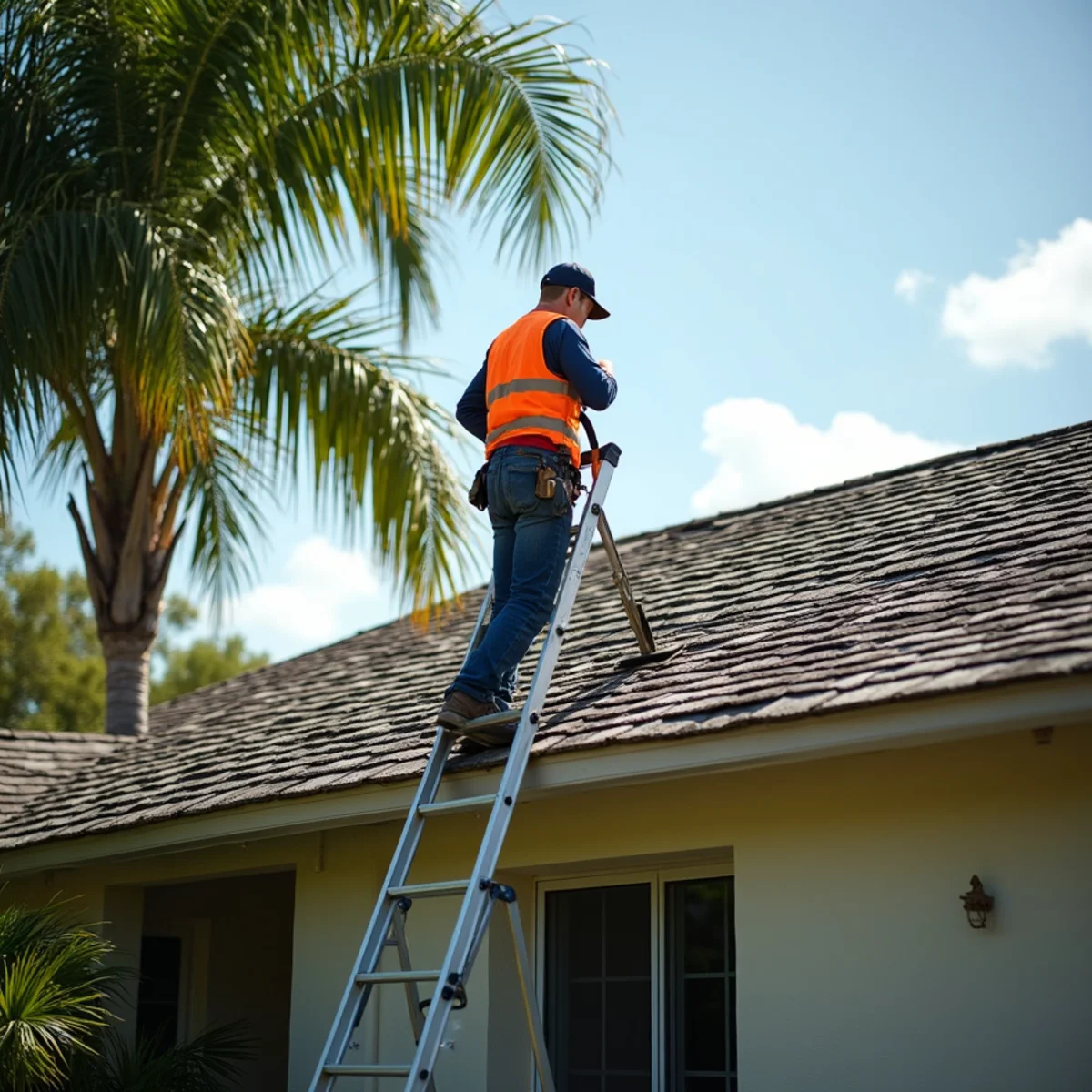
Shingles lose their grip when the adhesive strips weaken with heat and age. On exposed western lots, lifted tabs usually appear first on the windward slope and along the rakes. Wind-rated shingles (Class F or Class H) and a proper starter course at the edges matter more here than on a sheltered lot.
Other Western Conditions That Age a Roof
Wind is not the only factor. A few others come up regularly in this part of the county:
- Afternoon thunderstorms in the rainy season bring gusts and heavy rain together, pushing water sideways into weak flashing.
- Dust and debris blown off open land and nearby construction build up in valleys and gutters.
- Oak and ficus limbs close to the house rub against roof edges or drop onto tile in a storm.
- Lightning is frequent in summer, so roof penetrations such as vents and solar mounts deserve an occasional look.
Checking the Roof After a Wind Event
After a named storm or a strong squall line, walk around the house before you do anything else. From the ground, look for:
- Tile or shingle pieces in the yard or pool
- Gaps or color changes along ridges and corners
- Bent or loose drip edge
- Displaced hip or ridge caps
Take dated photos of each side. Stay off a wet or damaged roof; wind-loosened tiles can slide underfoot. If you find damage, a professional storm damage roof repair assessment will document it and separate new damage from older wear.
A roof that loses a few tiles in one storm is often telling you about its attachment, not just the storm. Ask whether the tiles surrounding the damage are still secure.
Planning a Replacement on an Exposed Lot
If your roof is near the end of its life, the replacement is a chance to build for the lot you actually have. Useful questions for your contractor:
- What attachment method and uplift rating will the new tile or shingle carry at corners and perimeters?
- Will the deck be re-nailed with ring-shank nails to current schedules?
- Is a secondary water resistance layer part of the scope?
- How will the hip and ridge be attached?
Several of these items overlap with hurricane roof upgrades that can also show up on a wind mitigation report. Wellington and Royal Palm Beach each run their own building departments, so permit steps and inspection scheduling differ from unincorporated county areas. Confirm current requirements with the village before work begins.
Who Approves a Re-Roof Out West?
Three separate approvals can apply, and the mailing address does not always tell you which.
- Village of Wellington: its Building Division, based at the village municipal complex on Forest Hill Boulevard, issues roof permits and runs the inspections through final.
- Village of Royal Palm Beach: a separate municipality with its own building department, forms and inspection scheduling.
- Unincorporated county: some homes with a Wellington, Royal Palm Beach or Loxahatchee mailing address, including much of The Acreage, fall under Palm Beach County PZB instead.
On top of the permit, gated and equestrian communities such as Palm Beach Polo, Olympia or Versailles typically route tile color, profile and material through an architectural review board first. Submit that package before you commit to a tear-off date. Rules, fees and review times change, so confirm the current process with the building office and your association.
In the Field: What Wind Does to Western-Lot Roofs
Damage on open lots follows patterns, and knowing them changes how a roof should be inspected and fixed.
- The windward slope is only half the story. Uplift is suction, and it is often strongest on the leeward side of the ridge and at the corners. We check every slope, not just the side facing the pasture.
- Foam contact is what holds a foam-set tile. The approved installation calls for a specific amount of adhesive in a specific spot. Tiles set with a thin dab can look fine for years, then release in one storm. Lifting a sample of tiles gently by hand at corners and rakes tells you more than looking at them.
- Soffit and fascia fail before tile does. Loose vinyl or aluminum soffit panels can blow in and let wind-driven rain into the attic even when the roof covering is intact.
- Screen enclosures move. A pool cage that flexes in gusts can rub or pull on the roof edge where it attaches, and that joint deserves its own look.
The honest trade-off is repair versus replacement. Re-setting a dozen loose tiles with fresh adhesive is sensible on a roof with years left. When loose tiles turn up on every slope of an older mortar-set roof, the problem is the attachment system, and spot repairs start chasing the next storm instead of preventing it.
Protecting a Roof That Faces Open Ground
Homes on open western lots need roofs that are built and maintained with wind in mind. Rising Roof Services inspects and repairs tile and shingle roofs across Wellington and Royal Palm Beach, with close attention to corners, ridges, and attachment. Call (831) 666-1600 to schedule an inspection before the next storm season.
Frequently asked questions
Are foam-set tiles better than mortar-set tiles for wind?
When installed to an approved method and uplift rating, foam adhesive systems generally hold tile more consistently than older mortar-set installations, which can crack and lose their bond over time. The real answer depends on the product approval, the installer following it, and the wind design for your roof. Ask your contractor to explain the attachment method and its rating in writing.
Do Wellington HOAs restrict roof materials?
Many Wellington neighborhoods are governed by associations that control tile color, profile, and sometimes material type. Changing from tile to metal or shingle usually needs architectural approval, and some communities will not allow it at all. Check your association's guidelines before choosing a product, and allow time for the review alongside the village building permit.
Does an open lot change my wind mitigation discount?
The standard wind mitigation inspection form records the roof covering, deck attachment, roof-to-wall connection, roof shape, secondary water resistance and opening protection. Terrain is generally handled by the insurer based on location rather than by the inspector. Improving attachment items during a re-roof can still help your credits. Ask your agent how your address is rated before assuming anything about the premium.
Should I re-secure hip and ridge tiles before hurricane season?
If the hip and ridge are mortar-set and show cracks, gaps or loose pieces, re-securing them before June is one of the more useful small jobs on an exposed western lot. Ridge lines take direct wind and a single loose cap can start a chain of failures. Have the rest of the roof checked at the same visit so you know whether the problem is isolated or widespread.